How to Take Card Payments for Direct Bookings: Stripe, Deposits and Balances
To take card payments for direct bookings you need a payment provider in your own name, a deposit and balance schedule, and clear refund rules. Here is how each part works in practice.
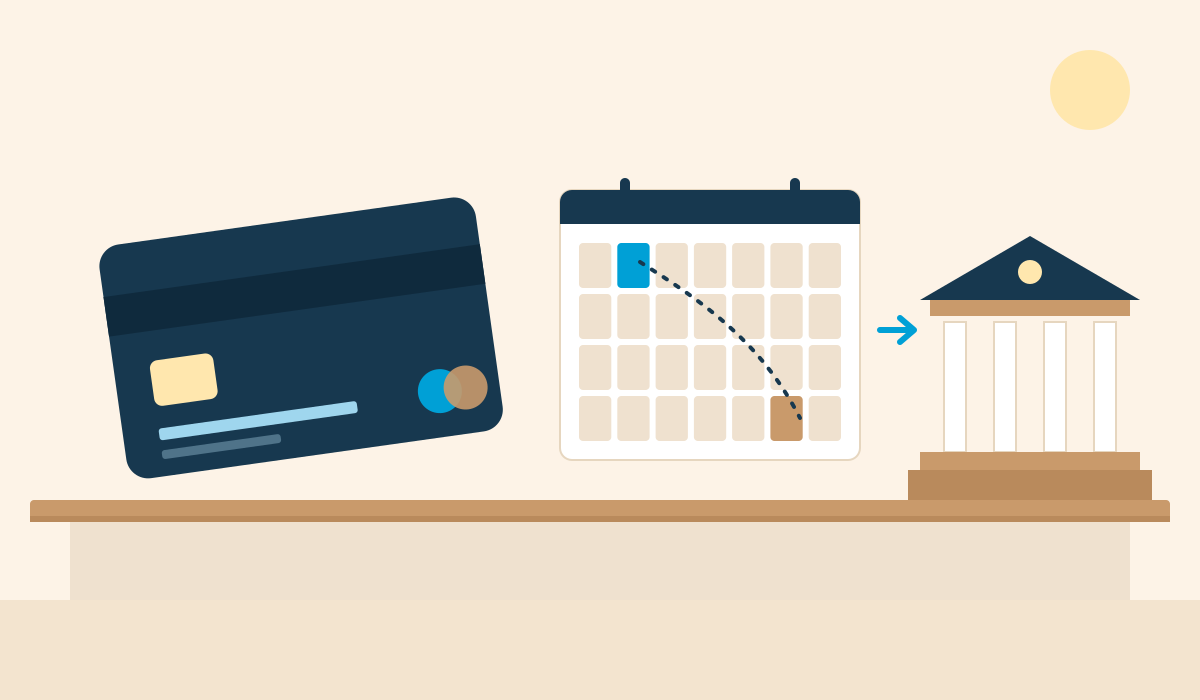
To take card payments for direct bookings you need three things: a payment provider account in your own name, a schedule for the deposit and the balance, and refund rules the guest agrees to before paying. Most small hosts use Stripe for the first part, and the rest is a matter of settings.
We set this up for hosts every week. This is how it works in practice, including the parts that catch people out.
Why the account should be yours
The payment account should belong to you, not to whoever built your website. The guest's money then goes from their card to your Stripe account and on to your bank. Nobody sits in the middle holding it, and you can see every payment, refund and payout yourself.
Opening an account means confirming your identity and adding a bank account. It usually takes less than half an hour. Stripe is not available in every country or territory, so check its list before you plan around it.
What it costs
Stripe charges per successful payment, with no monthly fee on its standard plan.
UK: the published rate starts at 1.5% plus 20p for standard UK cards. Premium, European and international cards cost more.
US: the published rate is 2.9% plus 30 cents for domestic cards, with extra for international cards and currency conversion.
A reasonable budget is 2% to 3% of the booking. Compare that with a platform host fee of 12% to 15.5%. Your website provider may add its own percentage on top, so ask. We do not.
Deposit now, balance later
Guests booking months ahead rarely want to pay everything at once. The usual pattern is:
A deposit at booking. Often 20% to 30% of the total.
The balance before arrival. Commonly four to eight weeks before check-in.
Full payment for late bookings. If someone books inside the balance window, take the whole amount at once.
The guest's card is saved securely by the payment provider at booking, and the balance is charged automatically on the due date. A reminder email a week before avoids surprises. If the charge fails, for example because the card has expired, you need to hear about it straight away so you can ask the guest to pay another way.
Booking deposit and damage deposit are different things
A booking deposit is part of the price. A damage deposit is money held against breakages and returned after the stay.
If you take a damage deposit, state the amount, when it is taken, what it covers and when it is returned. Many hosts skip it and rely on a clear rental agreement and insurance, because refunding every guest adds work and card fees.
See your property as a direct booking website
Paste your Airbnb or Vrbo listing link and we will hand-build you a free one-page preview of your own direct booking website within 24 hours. No cost, no obligation.
Get a free, custom website preview of your property within 24 hours.
Refunds and cancellations
Write the rules before you need them. How much is refunded at each point before arrival. Show this at checkout and in the confirmation email.
Card fees are not returned. When you refund a payment, the processing fee on the original charge is generally kept by the card provider. Factor that into a "full refund" policy.
Recent payments can take time to refund. Money that has not yet settled in your account may not be available to send back for a few days.
Chargebacks
A chargeback is when a guest disputes a payment with their bank. They are rare for holiday bookings, though you should be ready. Stripe charges a dispute fee, which is £20 in the UK at the time of writing, and asks you for evidence.
What helps you win: a rental agreement the guest accepted before paying, your cancellation terms, the booking confirmation and any messages. Keep them together.
Taxes at checkout
If lodging or occupancy tax applies where your property is, a direct booking means you collect it. Show it as a separate line so the guest sees the total before paying. Platforms often do this for you, so it is easy to forget when you start taking bookings yourself.
A short checklist
Open the payment account in your own name and connect your bank.
Choose your deposit percentage and balance date.
Write your cancellation and refund tiers.
Decide whether you take a damage deposit.
Add your rental agreement to the checkout.
Make one small test payment and refund it.
On our Pro plan, card payments go into your own Stripe account, and the deposit, automatic balance and agreement sign-off are set up for you. See the full feature list, how direct booking works or pricing.
Card fees were checked in November 2026 and vary by country and card type. Confirm current rates on Stripe's pricing page. This is general information, not financial or tax advice.